Institute for the Rights of Persons with Disabilities, I.P.
Planning, Coordination and Implementation of National Policies for the Promotion of the Rights of Persons with Disabilities
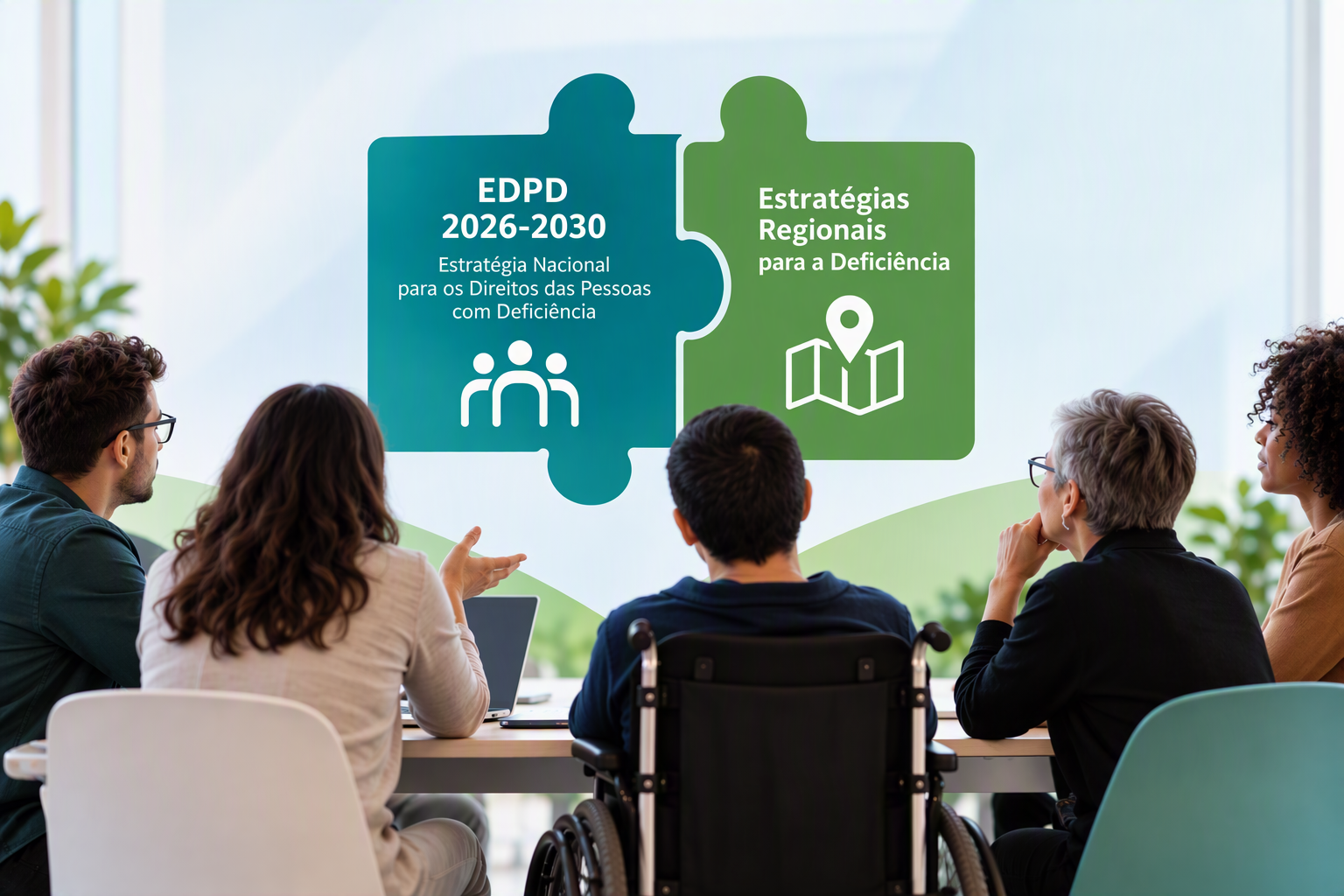
IDiPD promotes articulation between EDPD 2026-2030 and Regional Disability Strategies
The Institute for the Rights of Persons with Disabilities, I.P. (IDiPD) held a technical alignment meeting with the Autonomous Regions on 16 October, as part of the implementation of the Strategy for the Rights of Persons with Disabilities 2026-2030 (EDPD 2026-2030). The session aimed to strengthen the articulation between the national strategy and the regional strategies, identifying convergences, complementarities and opportunities for cooperation. The meeting examined ways to promote the alignment of the measures provided for in the different policy instruments, as well as to harmonise the collection of information necessary for their monitoring. The importance of integrating the measures into the activity plans of the entities responsible for their implementation was also highlighted, reinforcing their operationalisation and monitoring. Participants also addressed the challenges associated with the monitoring and evaluation of measures, underlining the need to collect more disaggregated data and to progressively move towards indicators to assess the outcomes and impacts of public policies on the lives of persons with disabilities. We will continue this work, through the involvement of regional representatives in the meetings of the different key areas of EDPD 2026-2030 and the realization of new moments of articulation between the national structure and the Autonomous Regions. This collaboration aims to contribute to more coherent monitoring, enhanced knowledge sharing and increasingly effective implementation of public policies promoting the rights of persons with disabilities.
View highlight details Report on the Physical and Financial Evaluation of the Financing of Support Products 2025
It is published HERE the Global Report on the Physical and Financial Assessment of the Financing of the Support Products Allocation System (SAPA), for the year 2025. Overall, 23 966 people were supported, 41 773 Support Products were allocated for an overall budget of €46 040 000.00, and €45 227 580.29 was implemented, with an implementation rate of 98.24%.
View highlight details 
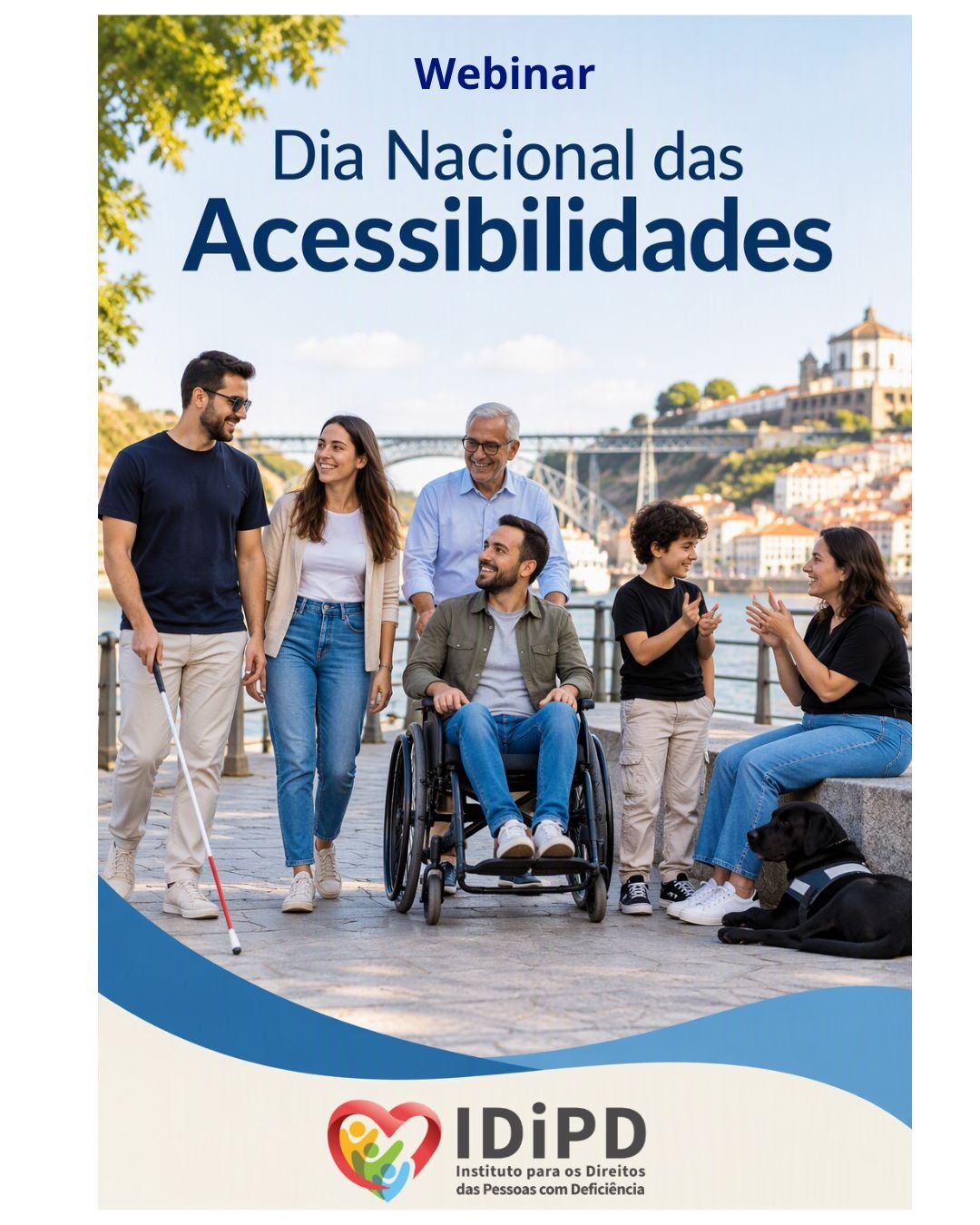
IDiPD promotes webinar on accessibility in Portugal on National Accessibility Day
The Institute for the Rights of Persons with Disabilities, I.P. (IDiPD), promotes the webinar ‘Accessibility in Portugal: monitoring, assessing and promoting inclusion’, as part of the National Accessibility Day. The session will take place between 15:00 and 16:00, through the Microsoft Teams platform, and will be dedicated to presenting monitoring and evaluation results in different areas of accessibility, in order to encourage reflection on the progress achieved and the challenges that persist in this area in Portugal. The programme includes the presentation of the main results of the monitoring of the implementation of Decree-Law No 82/2022 for 2025, as well as an analysis of the state of digital accessibility in the Public Administration and the dissemination of the results of the Annual Municipal Accessibility Degree Report. O webinar will count on interventions by the Institute for the Rights of Persons with Disabilities, I.P., and the State Technological Reform Agency, I.P. (ARTE). To know the alignment of the session see the programme of the webinar and register via the following link .
View highlight details IDiPD participated in the European Conference “Building an Architecture of Inclusion” in Brussels Conference and study visits highlighted European best practices in the areas of inclusive employment, accessibility, independent living and inclusive education.
The Institute for the Rights of Persons with Disabilities, I.P. (IDiPD) participated from 5 to 7 October 2026 in the International Conference Building an Architecture of Inclusion, promoted by Disability Support Europe, formerly known as EASPD, in partnership with the AccessibleEU Centre in Brussels. As part of the organization's 30th anniversary celebrations, the initiative promoted the sharing of experiences and reflection on policies and solutions that ensure the full participation of persons with disabilities in society. The conference highlighted labour market inclusion, reasonable accommodation and the link between technology and human support in promoting independent living. The Place and Train methodology was highlighted, which combines integration in real work contexts with training and follow-up in the 5/7 job position, as well as the importance of qualified and sustainable support services. The main conclusion pointed to the need to transform isolated good practices into a real one. “inclusion architecture” , based on integrated public policies and accessible environments. As study visits on 6 October to learn about experiences in Flanders and Brussels It covers education, supported employment, technological innovation, housing and community participation. In Groep Gidts in Gits , tailor-made assistive technology solutions, digital innovation and educational and vocational pathways focused on individual choices and skills were presented. In Brussels , supported employment, cultural participation and community inclusion projects were visited, with a focus on: social enterprise Pateeke , where persons with disabilities participate in catering activities. In field of education , the project Onwijs Onderwijs and the school GO! basisschool Matadi demonstrated the importance of promoting joint learning of students with and without disabilities, through cooperation between professionals, flexible pathways and adaptation of school practices and spaces. On 7 October at the European Economic and Social Committee , the session Connecting Accessibility and Human Support for Full Participation addressed the link between accessibility and human support services as a condition for the participation of persons with disabilities in education, employment and community life, in the framework of the implementation of the European Accessibility Act and the UN Convention on the Rights of Persons with Disabilities. IDiPD involvement reinforced the importance of European cooperation and peer learning for the development of national public policies, highlighting the need for an integrated approach linking accessibility, innovation, appropriate support services and effective participation of persons with disabilities in the definition and evaluation of policies that concern them.
View highlight details 

International Day for Disaster Risk Reduction highlights the importance of inclusive resilience
13 October marks the International Day for Disaster Risk Reduction, a UN initiative with the motto ‘Resilience Starts at Home’ in 2026, highlighting the importance of ensuring safe, accessible and at-risk-ready housing. The house is one of the first spaces where the effects of an emergency can be felt, but it is also a fundamental starting point for prevention and preparedness. Knowing the risks of the area of residence, understanding official warnings, organizing essential goods and defining in advance the procedures to be adopted are measures that can contribute to a more effective response. Disaster risk reduction also requires consideration of the different needs of the population. Persons with disabilities may face barriers in accessing information and alert systems, as well as in evacuation routes, transport and support mechanisms during an emergency. In this context, accessibility, inclusive communication and participation of persons with disabilities should be integrated from the outset in the planning and implementation of prevention and response measures. A community is more resilient when everyone has access to information, can participate in decisions and can protect themselves in emergencies. The Institute for the Rights of Persons with Disabilities (IDiPD) is associated with this date, reaffirming the importance of mainstreaming the rights of persons with disabilities at all stages of disaster risk reduction: prevention, preparedness, response and recovery. Further information can be found on the United Nations Disaster Risk Reduction page: https://iddrr.undrr.org/
View highlight details EDPD Advisory Board 2026-2030
The Consultative Council for the Strategy for the Rights of Persons with Disabilities 2026-2030 (EDPD 2026-2030) was set up following the publication of Order No 12237/2026, issued by the Office of the Secretary of State for Social Action and Inclusion. This body has the task of deciding on the implementation of the EDPD 2026-2030 and its Action Plans, and is consulted twice a year. Representing national Non-Governmental Organisations of Persons with Disabilities (NGPDs), and following an electoral process promoted by the Institute for the Rights of Persons with Disabilities, I.P. (IDiPD), the following entities were designated: RD-Portugal - Union of Rare Disease Associations of Portugal; ACAPO - Association of the Blind and Ambiopes of Portugal; FENACERCI - National Federation of Social Solidarity Cooperatives. In turn, representing the Higher Education Institutions and Research Centres with relevant activity in the field of the rights of persons with disabilities, the following were designated: Higher Institute of Social and Political Sciences (ISCSP-UL), through the Observatory of Disability and Human Rights (ODDH); University of Aveiro. The publication of this Order implements the governance model approved by Resolution of the Council of Ministers No 64-A/2026 of 31 March.
View highlight details 
Equality and non-discrimination in the use of Artificial Intelligence in Public Administrations
The Institute for the Rights of Persons with Disabilities, I.P. (IDIPD) participated in the event “Upholding Equality and Non-Discrimination by Equality Bodies Regarding the Use of AI in Public Administrations” which took place online and in Brussels on 17 September 2026, jointly promoted by the Council of Europe and the European Commission, dedicated to the challenges and opportunities associated with the use of Artificial Intelligence (AI) in public administrations. The meeting brought together representatives of the European institutions, national equality bodies, public authorities and experts in AI, fundamental rights, data protection and standardisation, with the participation of Belgium, Finland and Portugal, countries involved in the project. The main outcomes of the project were presented throughout the event, including legal analyses, guidelines, evaluation methodologies, training and empowerment, and the need to mainstream equality, non-discrimination and fundamental rights by design and throughout the lifecycle of AI systems was reinforced. The importance of effective human oversight, data quality and representativeness, prevention of algorithmic discrimination, and accessible complaint and redress mechanisms was also highlighted. The discussion also highlighted the need to strengthen cooperation between equality bodies, market surveillance, data protection and other relevant authorities, as well as to promote AI literacy among different actors. The use of public procurement as a tool to promote fundamental rights and equality, the participation of affected persons in assessment processes, and the integration of the gender perspective and other intersectional dimensions in AI governance were also addressed. For the IDiPD, these issues are of particular relevance in the context of the promotion and protection of the rights of persons with disabilities, in particular as regards accessibility, non-discrimination and participation in digital transformation processes. The meeting reinforced the importance of ensuring that technological innovation is accompanied by empowered institutions, inter-institutional cooperation and a human rights-centred approach, contributing to a more inclusive, accessible and fundamental rights-compliant Public Administration.
View highlight details National Council of Mental Health
The National Council of Mental Health, of which the Institute for the Rights of Persons with Disabilities (IDiPD) is a member, met on October 7, at 2:30 p.m., on the premises of the IAPMEI , is located in Estrada do Paço do Lumiar, Campus do Lumiar, Edifício L, in Lisbon, with the presence of its President, recently appointed, Dr. João Redondo, and with the following Work Order: 1. Information on and follow-up to the deliberations of the previous meeting 2. National Mental Health Plan – State of Play. 3. Regional and Local Mental Health Councils - Update 4. Mental Health of the Elderly Population - Presentation by the Chair of the Executive Committee of the National Health Plan for Dementias 5. Information from the plenary and other matters. The IDiPD was present at this Council. Next October 10th is World Mental Health Day, and the official celebrations will take place at 10:30 a.m., in Trindade College, Coimbra. This year’s national motto will be “Real Voices, Real Change”, where the importance of the narrative of people with experience in changing the organisation and delivery of mental health care will be underlined.
View highlight details 
IDiPD and INABVE promote inter-institutional cooperation meeting in the area of the rights of persons with disabilities
O Institute for the Rights of Persons with Disabilities (IDiPD) , held on 17 September an inter-institutional cooperation meeting with the Instituto Administrador de los Benefícios de los Veteranos y Excombatentes (INABVE) El Salvador, dedicated to sharing experiences in the field of public policies for people with disabilities. The meeting began with the presentation of the Portuguese experience related to the Strategy for the Rights of Persons with Disabilities 2026-2030 , focusing on the respective framework, governance model, Action Plans, participatory mechanisms and monitoring system. The INABVE delegation presented the ongoing process in El Salvador for the construction of a new national public policy for persons with disabilities, supported by territorial consultations and an inter-institutional technical table, involving public entities, civil society organisations and persons with disabilities. During the dialogue, some of the main challenges associated with this process were identified, including insufficient up-to-date statistical data, the need to strengthen information collection mechanisms, the implementation of legislation and international conventions, as well as issues related to the legal capacity, accessibility and awareness of institutions. The importance of integrating the needs of neurodivergent people into public policy development was also stressed. A Training and Empowerment have assumed particular relevance in the exchange, and INABVE has expressed interest in knowing training resources, methodologies and experiences developed by IDiPD,IP, which can contribute to the strengthening of the skills of its teams and municipal structures. The meeting also allowed to identify next steps for the continuity of cooperation, namely the sharing of documentation and technical information, the exchange of institutional contacts and the holding of future thematic meetings, oriented to concrete areas of interest of INABVE. Both institutions expressed their readiness to continue this dialogue and progressively deepen cooperation in the field of the rights of persons with disabilities.
View highlight details Inclusive Care: IDiPD promotes webinar on humanization and quality of services to be provided to persons with disabilities
The Institute for the Rights of Persons with Disabilities, I.P. (IDiPD), promotes the webinar “Inclusive Care: humanisation and quality of services to be provided to persons with disabilities”. The session is scheduled to start at 10.30 a.m. and will last for two hours. O webinar intends to address the importance of adopting professional practices that contribute to inclusive, humanized and quality care for people with disabilities. Communication strategies, interpersonal relationships and performance in different contexts will be addressed. The session is also intended to be a moment of reflection on the challenges of everyday life and is intended, in particular, for professionals who ensure service to the public, as well as professionals in the areas of transport, communication, tourism and other professional contexts with an interest in the areas of inclusion and the rights of persons with disabilities. To know in more detail the alignment of the session, see the programme from webinar and, if you have an interest in participating, register . For any further clarification you can contact the Institute for the Rights of Persons with Disabilities, I.P., through the e-mail address IDIPD-NFC@idipd.mtsss.gov.pt Note: webinar It has a maximum capacity of participants. Entries close automatically once the available vacancy limit is reached.
View highlight details 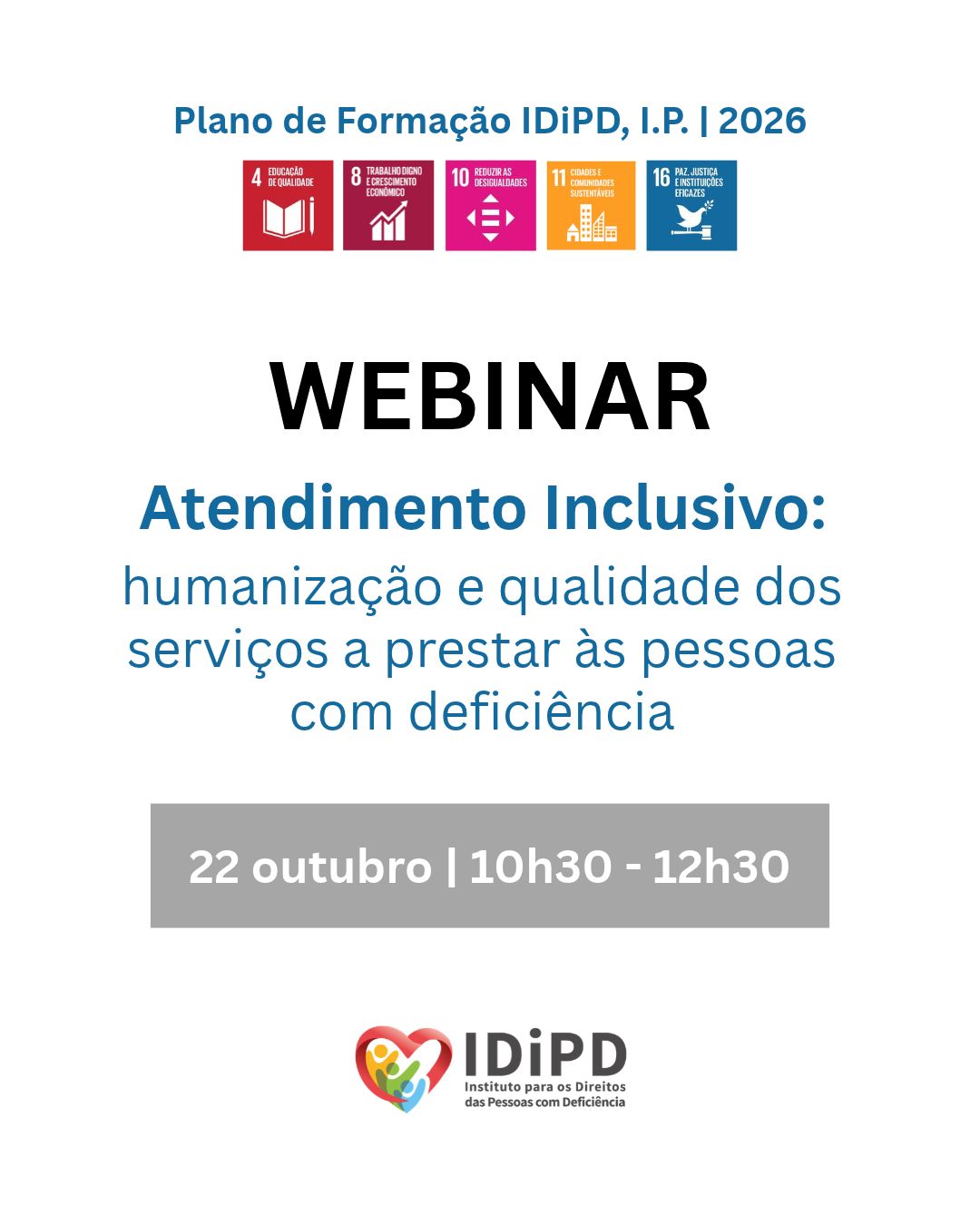

IDiPD joins the 19th edition of CRIDEM
The Institute for the Rights of Persons with Disabilities (IDiPD ) was present, on September 17, at the Opening of the exhibition and award ceremony of the 19th edition of CRIDEM - National Competition for Plastic Expression Works of People with Intellectual Disabilities, held at the Manuel António da Mota Foundation, in Porto. The 2026 edition marked 35 years of CRIDEM , on a journey dedicated to the enhancement of the artistic expression of people with intellectual disabilities and the promotion of their participation in cultural life. In this edition 188 works were presented to the competition, and the respective prizes were awarded during the ceremony. Among the distinguished works, the 1st Manuel António da Mota Foundation Prize has been assigned to Edgar Carneiro , from CAID - Cooperative to Support the Integration of the Disabled, for the work Entre. O 2nd Montepio Foundation Prize distinguished the collective work Between Ruins and Hope, from the APPACDM of Braga , and 3rd Porto Prize was attributed to the collective work Da My Window I See the World, the AFSD Blue Horse Association of Solidarity Families with Disabilities. The presence of the Institute was part of the Institutional Partnership Protocol between IDiPD and APPACDM do Porto , through which the Institute was institutionally associated with the 19th edition of CRIDEM, contributing to the dissemination of the competition, the exhibitions and the initiative to its institutional network. The ceremony was attended by the Secretary of State for Culture, Alberto Santos, and the Secretary of State for Social Action and Inclusion, Clara Marques Mendes, as well as representatives of the entities involved in the initiative, namely the Manuel António da Mota Foundation, the Montepio Foundation, Humanitas - Portuguese Federation for Mental Disability and APPACDM of Porto. During the ceremony, IDiPD, I.P. was also offered a copy of the exhibition book , which brings together the artistic work presented in this commemorative edition. The exhibition of the works of the 19th edition of CRIDEM is patent at the Manuel António da Mota Foundation until 30 October 2026 , then roaming.
View highlight details European Union updates rules on coordination of social security systems with relevant impact for persons with disabilities
O Council of the European Union gave the final green light to the new Regulation on 28 September 2026 amending the Regulations (EC) No 883/2004 e 987/2009 , by modernising European rules on the coordination of national social security systems. The revision aims to make the rules clearer, fairer and easier to apply and to strengthen the protection of the rights of people living or working in another Member State. The amendments cover, inter alia, unemployment benefits, long-term care benefits, access to certain social benefits for economically inactive persons, family benefits and rules applicable to posted workers and persons working in two or more Member States. Among the most relevant changes for persons with disabilities is the explicit integration of long-term care benefits within the material scope of Regulation (EC) No 883/2004. The new framework provides a specific definition of these benefits, covering benefits in kind or in cash intended to meet the care needs of persons who, in particular on the grounds of disability, require significant assistance from other persons in order to carry out essential activities of daily life over an extended period of time. The revision also introduces amendments to facilitate the exercise of social security rights in cross-border situations . No the field of unemployment, the rules on the aggregation of periods of insurance are clarified and provision is made, under certain conditions, for the possibility of extending the period of export of benefits beyond six months, until the end of the period of entitlement, by decision of the competent Member State. The update further strengthens administrative cooperation and the use of digital means, including electronic data exchange, online procedures for determining the applicable legislation and faster mechanisms for verifying social security documents used in a cross-border context . They are also enhanced rules for cooperation between Member States’ institutions to combat fraud and error, including new possibilities for data comparison in line with the General Data Protection Regulation (GDPR), as well as clearer procedures for validating, revoking and rectifying documents . A update is of particular importance for persons with disabilities exercising their right to free movement within the European Union, notably in cross-border access to benefits and care, in determining the applicable social security legislation and in the principle of equal treatment . The Regulation will enter into force on the first day of the month following that of its publication in the Official Journal of the European Union , some provisions will be applied on a deferred basis, allowing for the adaptation of national systems.
View highlight details 
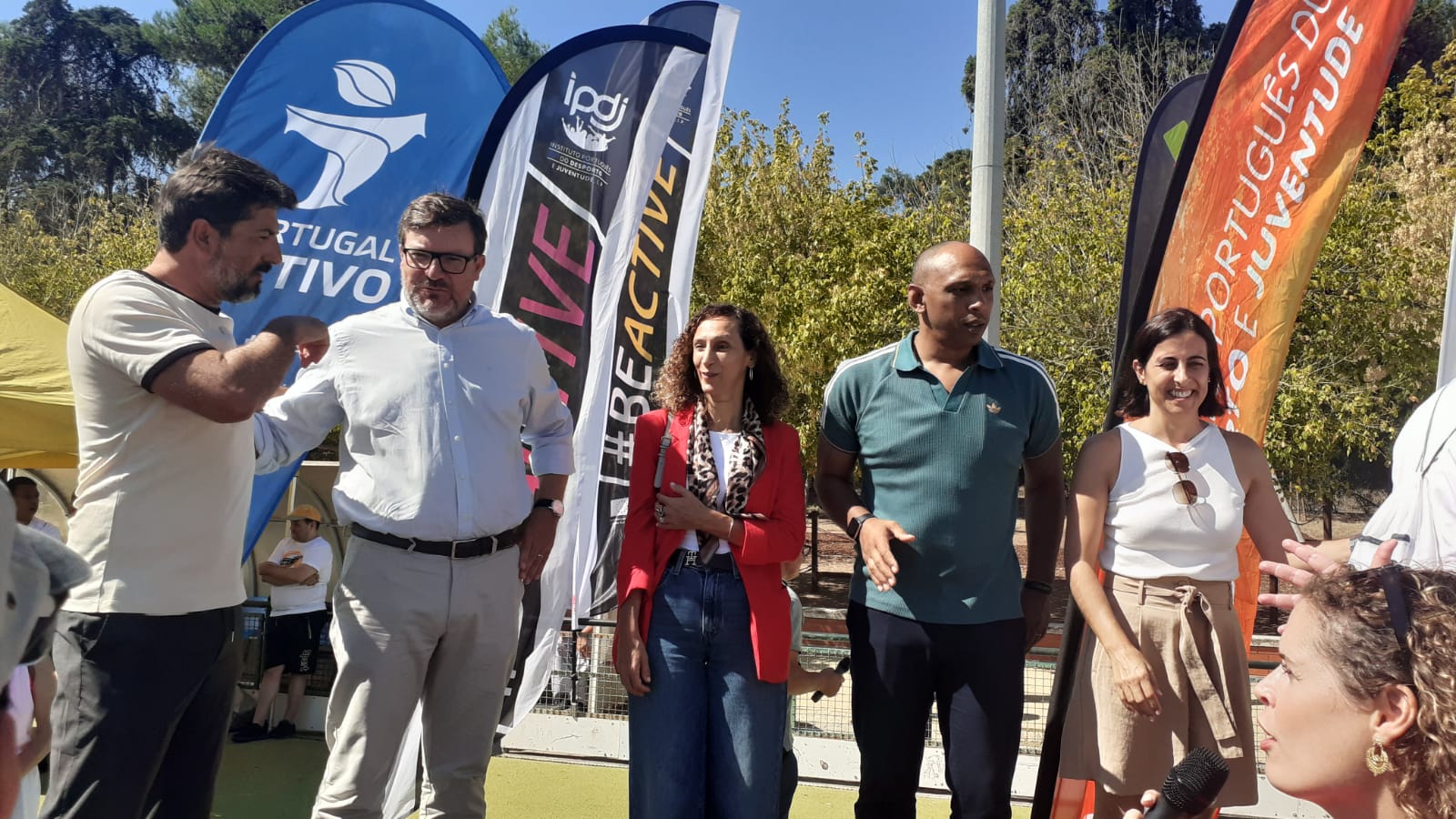
Institute for the Rights of Persons with Disabilities attends Inclusive Sport Day - European Week of Sport
The Institute for the Rights of Persons with Disabilities, I.P. (IDiPD, I.P.) was present at the Inclusive Sport Day, part of the European Week of Sport, which took place on September 24 at the Centro Desportivo Nacional do Jamor. The initiative was a real celebration of inclusive sport, bringing together around 400 participants around 30 sport activities, provided free of charge. It was a day lived without barriers, marked by participation, sharing and overcoming, providing everyone the opportunity to try and practice different sports, according to their abilities and preferences. The IDiPD, I.P. was represented by Cláudia Brandão and Odete Fiúza, reaffirming, also in this way, the Institute's commitment to promoting access to sports and creating conditions that allow the full participation of people with disabilities. Speaking to RTP, Odete Fiuza stressed that "sport is for everyone, in its own way", reinforcing the importance of ensuring effective conditions of access and participation, regardless of the characteristics and needs of each person. The presence in this initiative reflects the commitment of the Institute for the Rights of Persons with Disabilities, I.P. to promote a more inclusive society, in which sport is affirmed as a right, an instrument of autonomy, participation and inclusion and a space of belonging.
View highlight details IDiPD participates in the seminar 'The commitment of Ibero-America to the CRPD, 20 years after its adoption' of the IDP
O Institute for the Rights of Persons with Disabilities, I.P. (IDiPD) , attended in person on the day 1 October 2026 , in Madrid, at the seminar ' Ibero-America's commitment to the CRPD, 20 years after its adoption' , promoted by Ibero-American Program for Disability (PID) . The participation of the IDiPD took place within the framework of its National Representation in the Ibero-American Program for Disability and integrated the work of the XX Meeting of the IDP Intergovernmental Council , the decision-making body of the Programme, in which Portugal is represented. Performed at Galería de las Colecciones Reales in Madrid , the seminar highlighted the 20 years since the adoption of the Convention on the Rights of Persons with Disabilities (CRPD) , providing a space for reflection on the implementation of the Convention and on current challenges for the promotion of the rights of persons with disabilities in the Ibero-American space. The programme included sessions on key topics such as: inclusive democracies and political and public participation, equality and non-discrimination, education and employment, inclusive risk management, autonomy and independent living . One of the highlights was the session dedicated to Madrid Declaration , which included the presentation of the manifest ' Ibero-America's commitment to the CRPD, 20 years after its adoption' , reaffirming the region’s commitment to the realisation of the rights enshrined in the Convention. The participation of the IDiPD made it possible to follow the work and discussions promoted in the context of Ibero-American cooperation in the area of disability and to contribute to the strengthening of Portugal's participation in this area of cooperation, as a national representative in the IDP. The seminar took place between 9 a.m. and 5 p.m. (Spain time) and was also attended by transmission online via the Ibero-American Disability Programme's YouTube channel, which may be revisited, HERE .
View highlight details 

The Institute for the Rights of Persons with Disabilities, I.P. (IDiPD), invites you to participate in the School Alert! Competition 2026/2027. The initiative is aimed at education and teaching institutions with children and students from Pre-School Education and Basic and Secondary Education, challenging the educational community to develop projects that promote the inclusion, accessibility and rights of persons with disabilities. To find out more about the competition, see the opening notice, the rules, deadlines and other information, visit the page: School Alert Contest Award! We appreciate the dissemination of this information to teachers, students and other members of the educational community.
View highlight details Institute for the Rights of Persons with Disabilities, I.P., participates in the opening of the Master's Degree in Physical Activity for Persons with Disabilities for Persons with Disabilities of the University of Leiria e Oeste
The Institute for the Rights of Persons with Disabilities, I.P., (IDiPD) was represented at the opening session of the first Master's Degree in Physical Activity for Persons with Disabilities for Persons with Disabilities of the newly created University of Leiria and West, held last Friday, the 18th, in the city of Leiria. The session was chaired by the Director of the School of Education and Social Sciences, Professor José Marques and the Director of the Master, Professor Raul Antunes and was also attended by the President of the Paralympic Committee of Portugal and Professor Alexandre Mestre, a specialist in Sports Law. Odete Fiúza, representing the IDIPD, presented the Institute’s work in the field of sport, which translates, inter alia, into the support and financing of measures, programmes and initiatives aimed at promoting the practice of sport for people with disabilities. In the intervention it was underlined that the practice of sports is a structuring instrument of inclusion, autonomy and full participation in society. As a Leiriense and visually impaired person, Odete Fiúza also shared his path of inclusion, highlighting the fundamental role of the family in sharing responsibilities and involving everyone in day-to-day activities, the role of the school in social inclusion and the importance of the community as a support network in which, as he said, "no one is left behind and everyone advances pulling for each other."
View highlight details 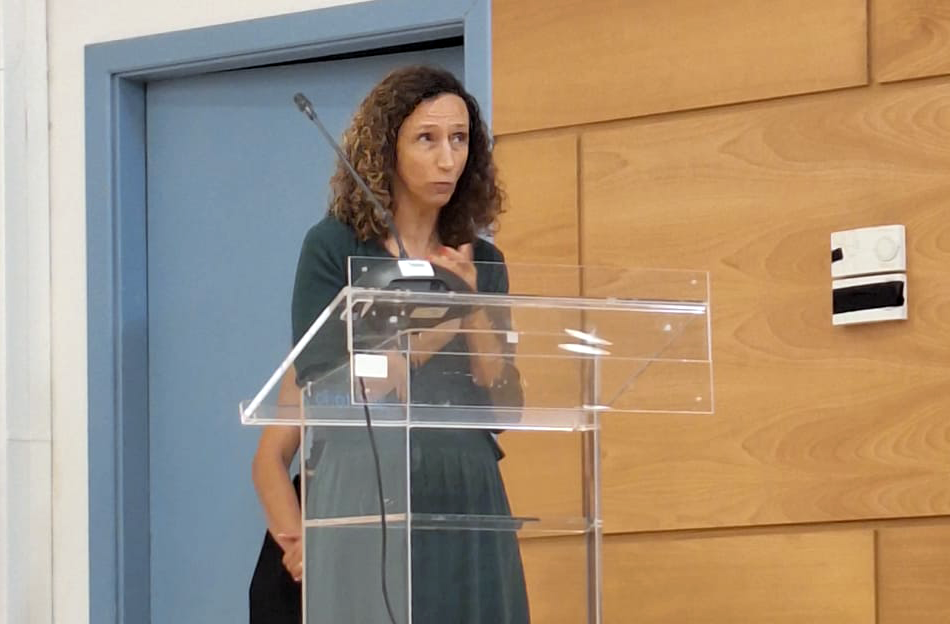
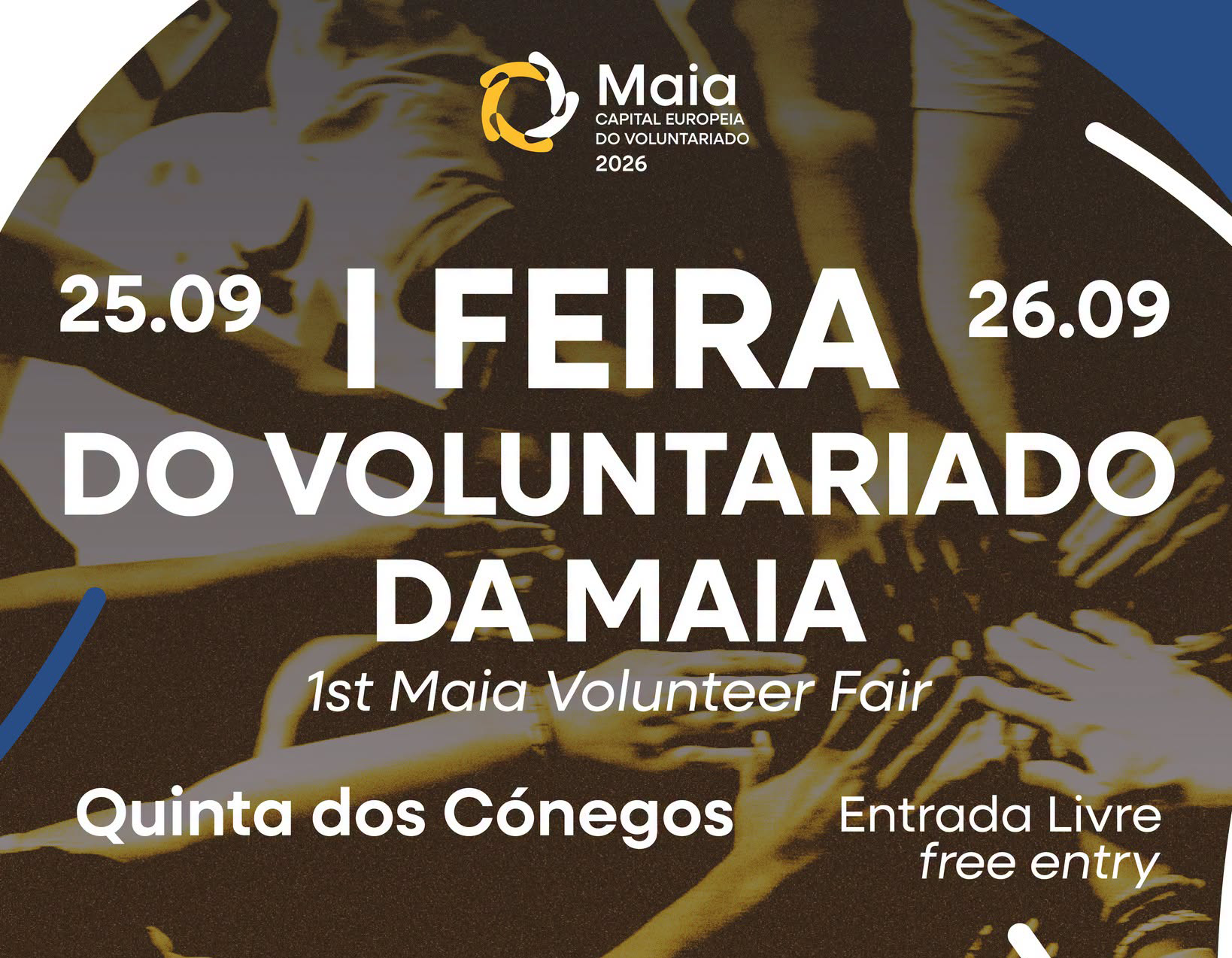
IDiPD, I.P. presents a guide for more inclusive volunteering at the I Maia Volunteer Fair
The Institute for the Rights of Persons with Disabilities, I.P. (IDiPD, I.P.) and Pista Mágica present, on September 25, the publication People with Disabilities as Volunteers – A Guide to More Inclusive Volunteering , in the context of the 1st Maia Volunteer Fair. The presentation will take place between 4.10 p.m. and 4.40 p.m. in Zone 1, under the theme “Stories they embrace”. Developed jointly by the two organisations, the guide is the result of a collaborative journey started four years ago, on the occasion of the VolunTalento project, and is a guiding tool for promoting more inclusive volunteering programmes. The publication aims to contribute to the identification and elimination of barriers to the participation of persons with disabilities in volunteering contexts, promoting their empowerment and full and active participation in society. The I Maia Volunteer Fair takes place on September 25 and 26, at Quinta dos Cónegos, integrating the programming of Maia - European Volunteer Capital 2026. The initiative brings together organisations, associations and entities linked to volunteering, with a programme that includes moments of sharing, workshops, round tables and other activities. The IDiPD. I.P. invites all interested people to participate in this initiative and learn about different volunteering projects and opportunities, contributing to a more participatory and inclusive society. The publication of the guide is also taking place in a particularly significant year for volunteering, in which the United Nations has proclaimed 2026 as the International Year of Volunteers for Sustainable Development. Consult the program of the I Maia Volunteer Fair HERE Get to know the guide People with Disabilities as Volunteers – A Guide to More Inclusive Volunteering [ link to the news about the guide on the website of IDiPD, I.P .].
View highlight details Municipal Day for Equality - Clarification and Empowerment Session
Next day 29 September 2026, Tuesday 15:00-17:00 There will be one Clarification and Training Session , with the aim of presenting the initiative, to clarify doubts about participation and enrolment in the National Agenda. A training session will also be held by the IGC, ISCED and IDiPD, with the aim of presenting some data and concepts related to the stamps of the Municipal Equality Day 2026 initiative. Programme: 3 p.m. | Opening Session Welcome by the Organizing Committee Presentation of the objectives of the initiative and the Municipal Equality Day Agenda 15:10 – 15:45 | Training Session IGC - Commission for Citizenship and Gender Equality ISCED - Commission for Equality at Work and Employment IDiPD - Institute for the Rights of Persons with Disabilities 15:45 – 16:45 | Round Table Moderation Sandy Gageiro Territorial Equality Strategies and Municipal Equality Day ACEESA – Centro de Estudos de Economia Solidária do Atlântico Association for the Study of the Solidarity Economy of the Atlantic PpDM – Portuguese Platform for Women’s Rights ADM Estrela - Social Association and Development Ponta Delgada City Council Lisbon City Council the City Hall of Guarda CooLabora - Social Intervention Participation requires compulsory pre-registration through Zoom . ➡ក Entries Here Consult the Event Poster Here
View highlight details 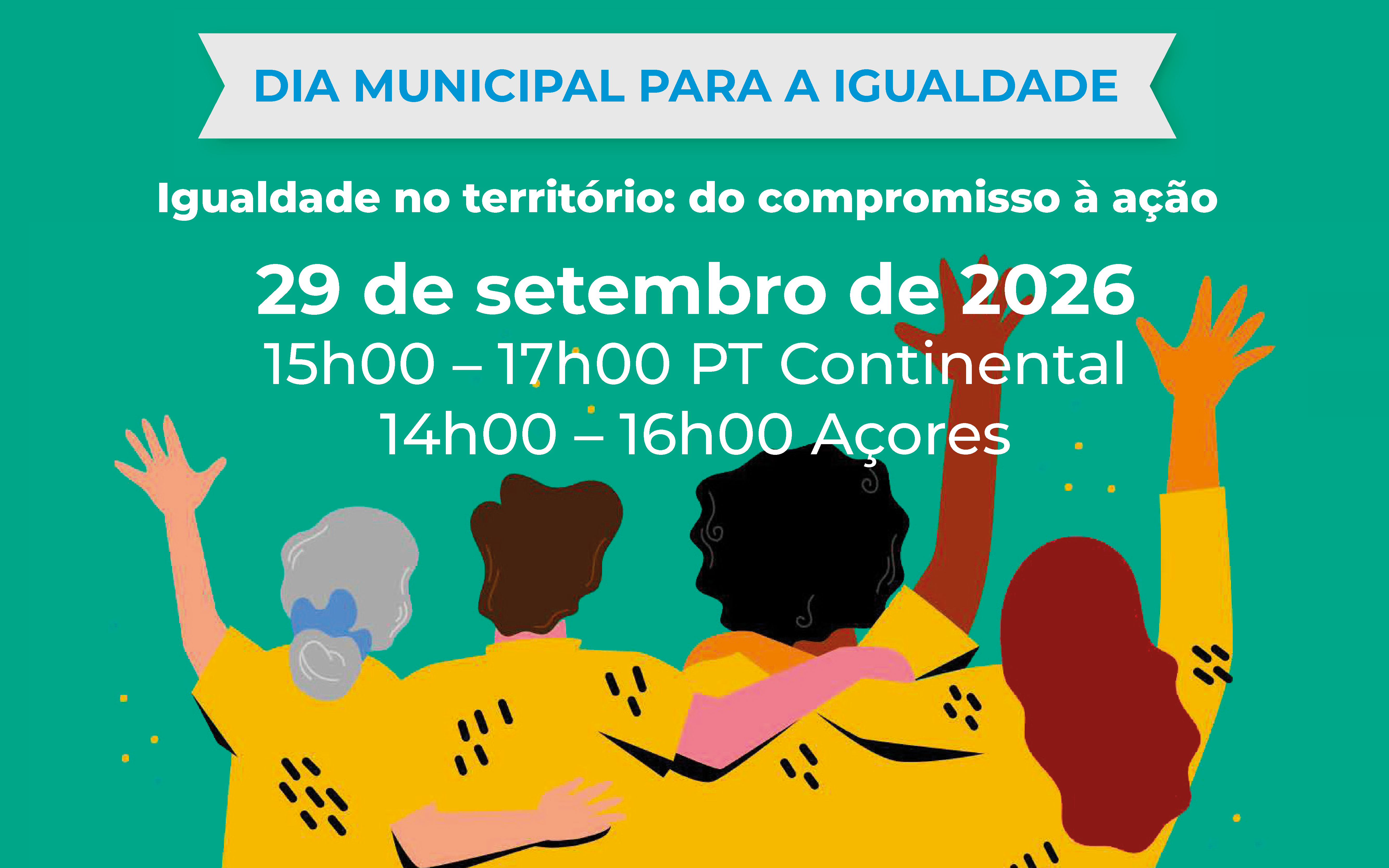
International Week of the Deaf - Blue September
The International Week of Deaf People is an international initiative celebrating the identity, culture and rights of the Deaf Community. In 2026, the World Federation of the Deaf (WFD) designated the theme ‘Declaring Deaf People’s Human Rights’. Find out more at: https://wfdeaf.org/international-week-of-deaf-people-2026/ September is also known as Blue September. The blue color associated with the Deaf Community derives from a symbol inherited from World War II, in which people with disabilities were identified with blue stripes by the Nazis. Currently, the blue associated with the month of September has gained a new meaning for the Deaf Community, representing the defense of rights and full social participation. Internationally, there are important historical dates during the month of September, which Portugal associates with its own celebrations: 6-11 September: Congress of Milan (1880), which banned the use of sign languages in the education of deaf people. 11 September: The Day of the Oppression of the Languages of the World. 20 September: Day of Constitutional Recognition of the Portuguese Sign Language. 23 September: International Day of the Sign Languages, date of the foundation of the World Federation of the Deaf, WFD. 24 September: National Day of the Deaf, date of the foundation of the Portuguese Association of the Deaf, APS. 26 September, European Day of Languages. 27 September (last Sunday of the month): World Day of the Deaf. Throughout the week these events are usually marked with different initiatives in various parts of the country, such as: O Deaf Festival 2026 , which takes place on September 26 and 27 in the Portuguese Association of the Deaf , in Lisbon, presenting itself as a space for meeting and celebrating the Deaf Community, sharing initiatives of associations, artists, projects and entities, aiming to give visibility to deaf culture, Portuguese Sign Language and the creativity of deaf people. O Festival of Silence , which takes place on 27 September in Algueirão – Mem Martins, organised by Association of the Deaf of the Municipality of Sintra , with the participation of Project Hands Singing, with dynamization of worskshop of Portuguese Sign Language, traditional games and moments of conviviality, intending to celebrate the deaf culture and the Portuguese Sign Language.
View highlight details MONTHLY REPORT MAVI – JULY 2026
The monthly activity of the Independent Living Support Centres (CAVI), which are part of the Independent Living Support Model (MAVI), is reported to the Institute for the Rights of Persons with Disabilities, I.P., based on the completion of the monitoring grids by each of the institutions. According to these monitorings, in July 2026, in the 35 CAVI in operation, 1172 people financed by the ISS, I.P. were supported. From the start of the project until 31 July 2026, a total of 7,200,910 (seven million, two hundred thousand, nine hundred and ten) hours were provided, of which 3,760,306 (three million, seven hundred and sixty thousand, three hundred and six) hours under the ISS accumulated to 3,440,604 (three million, four hundred and forty thousand, six hundred and four) hours of personal assistance provided under the ESF until 30 September 2023. All in all, July 2026 saw a decrease in the number of people supported in personal assistance compared to the previous month. There has been an increase in the number of hours of support provided, although the number of serving personal assistants has decreased. An increase in the number of PEFs suspended, a decrease in completed PEFs and new concluded PEFs was observed. As of 1 March 2024, the Cooperation Agreements between CAVI and ISS, I.P. began to be concluded, which allowed personal assistance to begin to be provided in accordance with the provisions of Ministerial Implementing Order No º 415/2023 of 7 December 2023. By 1 January 2025, all 35 CAVI had signed the Cooperation Agreement with the ISS, I.P..
View highlight details 
Quick access to: