Institute for the Rights of Persons with Disabilities, I.P.
Planning, Coordination and Implementation of National Policies for the Promotion of the Rights of Persons with Disabilities

The Institute for the Rights of Persons with Disabilities, I.P. (IDiPD), invites you to participate in the School Alert! Competition 2026/2027. The initiative is aimed at education and teaching institutions with children and students from Pre-School Education and Basic and Secondary Education, challenging the educational community to develop projects that promote the inclusion, accessibility and rights of persons with disabilities. To find out more about the competition, see the opening notice, the rules, deadlines and other information, visit the page: School Alert Contest Award! We appreciate the dissemination of this information to teachers, students and other members of the educational community.
View highlight details Institute for the Rights of Persons with Disabilities, I.P., participates in the opening of the Master's Degree in Physical Activity for Persons with Disabilities for Persons with Disabilities of the University of Leiria e Oeste
The Institute for the Rights of Persons with Disabilities, I.P., (IDiPD) was represented at the opening session of the first Master's Degree in Physical Activity for Persons with Disabilities for Persons with Disabilities of the newly created University of Leiria and West, held last Friday, the 18th, in the city of Leiria. The session was chaired by the Director of the School of Education and Social Sciences, Professor José Marques and the Director of the Master, Professor Raul Antunes and was also attended by the President of the Paralympic Committee of Portugal and Professor Alexandre Mestre, a specialist in Sports Law. Odete Fiúza, representing the IDIPD, presented the Institute’s work in the field of sport, which translates, inter alia, into the support and financing of measures, programmes and initiatives aimed at promoting the practice of sport for people with disabilities. In the intervention it was underlined that the practice of sports is a structuring instrument of inclusion, autonomy and full participation in society. As a Leiriense and visually impaired person, Odete Fiúza also shared his path of inclusion, highlighting the fundamental role of the family in sharing responsibilities and involving everyone in day-to-day activities, the role of the school in social inclusion and the importance of the community as a support network in which, as he said, "no one is left behind and everyone advances pulling for each other."
View highlight details 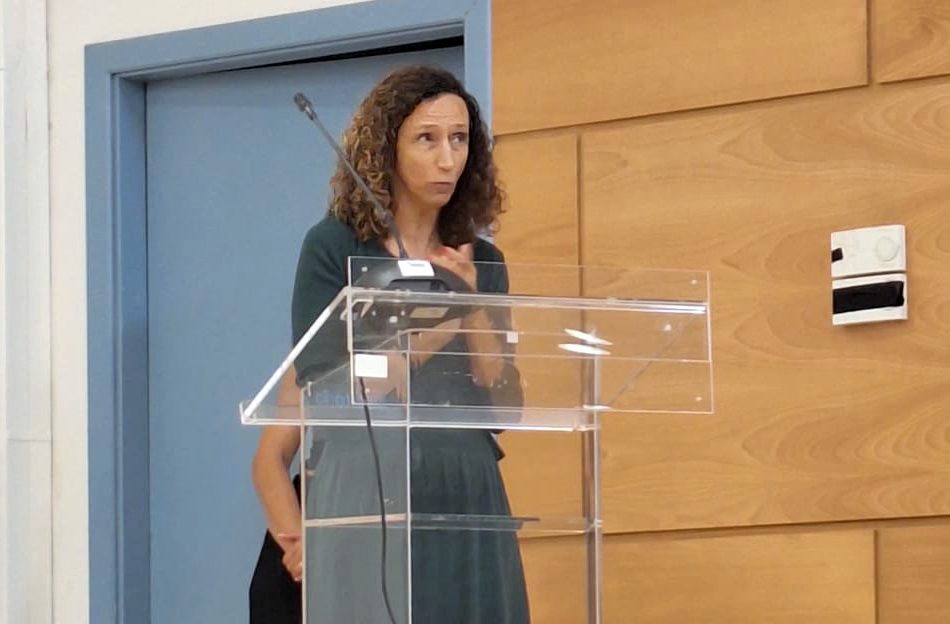
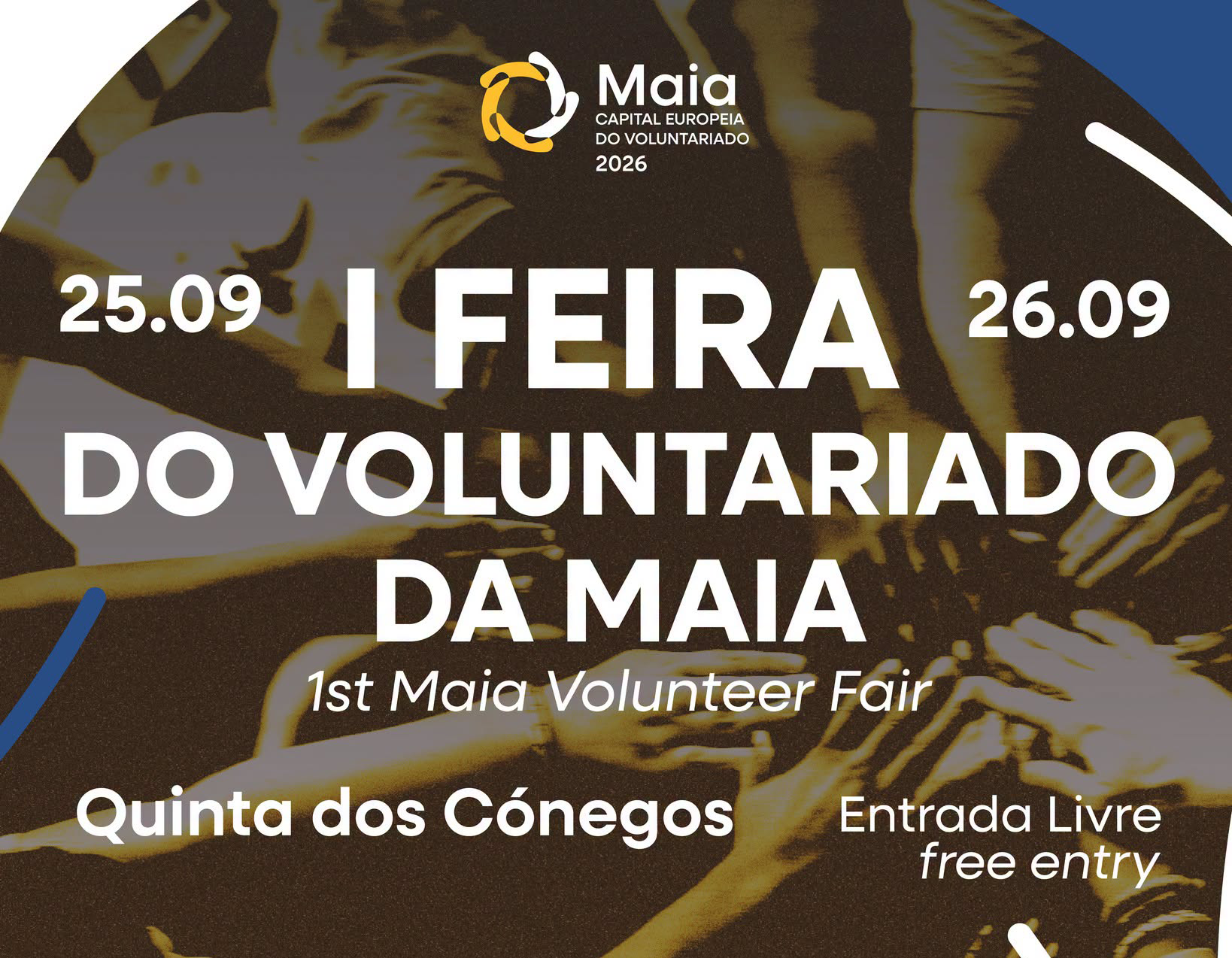
IDiPD, I.P. presents a guide for more inclusive volunteering at the I Maia Volunteer Fair
The Institute for the Rights of Persons with Disabilities, I.P. (IDiPD, I.P.) and Pista Mágica present, on September 25, the publication People with Disabilities as Volunteers – A Guide to More Inclusive Volunteering , in the context of the 1st Maia Volunteer Fair. The presentation will take place between 4.10 p.m. and 4.40 p.m. in Zone 1, under the theme “Stories they embrace”. Developed jointly by the two organisations, the guide is the result of a collaborative journey started four years ago, on the occasion of the VolunTalento project, and is a guiding tool for promoting more inclusive volunteering programmes. The publication aims to contribute to the identification and elimination of barriers to the participation of persons with disabilities in volunteering contexts, promoting their empowerment and full and active participation in society. The I Maia Volunteer Fair takes place on September 25 and 26, at Quinta dos Cónegos, integrating the programming of Maia - European Volunteer Capital 2026. The initiative brings together organisations, associations and entities linked to volunteering, with a programme that includes moments of sharing, workshops, round tables and other activities. The IDiPD. I.P. invites all interested people to participate in this initiative and learn about different volunteering projects and opportunities, contributing to a more participatory and inclusive society. The publication of the guide is also taking place in a particularly significant year for volunteering, in which the United Nations has proclaimed 2026 as the International Year of Volunteers for Sustainable Development. Consult the program of the I Maia Volunteer Fair HERE Get to know the guide People with Disabilities as Volunteers – A Guide to More Inclusive Volunteering [ link to the news about the guide on the website of IDiPD, I.P .].
View highlight details Municipal Day for Equality - Clarification and Empowerment Session
Next day 29 September 2026, Tuesday 15:00-17:00 There will be one Clarification and Training Session , with the aim of presenting the initiative, to clarify doubts about participation and enrolment in the National Agenda. A training session will also be held by the IGC, ISCED and IDiPD, with the aim of presenting some data and concepts related to the stamps of the Municipal Equality Day 2026 initiative. Programme: 3 p.m. | Opening Session Welcome by the Organizing Committee Presentation of the objectives of the initiative and the Municipal Equality Day Agenda 15:10 – 15:45 | Training Session IGC - Commission for Citizenship and Gender Equality ISCED - Commission for Equality at Work and Employment IDiPD - Institute for the Rights of Persons with Disabilities 15:45 – 16:45 | Round Table Moderation Sandy Gageiro Territorial Equality Strategies and Municipal Equality Day ACEESA – Centro de Estudos de Economia Solidária do Atlântico Association for the Study of the Solidarity Economy of the Atlantic PpDM – Portuguese Platform for Women’s Rights ADM Estrela - Social Association and Development Ponta Delgada City Council Lisbon City Council the City Hall of Guarda CooLabora - Social Intervention Participation requires compulsory pre-registration through Zoom . ➡ក Entries Here Consult the Event Poster Here
View highlight details 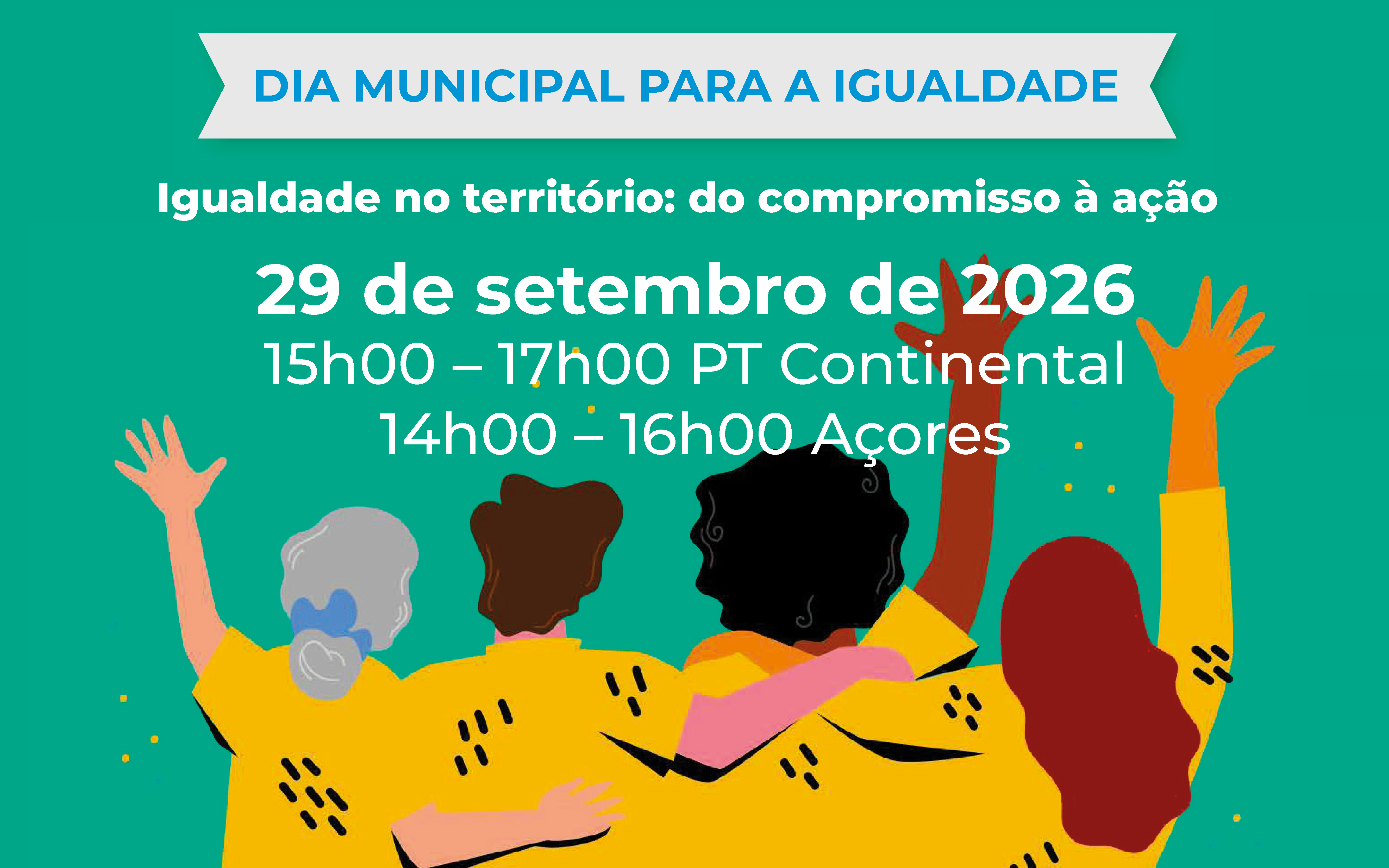
International Week of the Deaf - Blue September
The International Week of Deaf People is an international initiative celebrating the identity, culture and rights of the Deaf Community. In 2026, the World Federation of the Deaf (WFD) designated the theme ‘Declaring Deaf People’s Human Rights’. Find out more at: https://wfdeaf.org/international-week-of-deaf-people-2026/ September is also known as Blue September. The blue color associated with the Deaf Community derives from a symbol inherited from World War II, in which people with disabilities were identified with blue stripes by the Nazis. Currently, the blue associated with the month of September has gained a new meaning for the Deaf Community, representing the defense of rights and full social participation. Internationally, there are important historical dates during the month of September, which Portugal associates with its own celebrations: 6-11 September: Congress of Milan (1880), which banned the use of sign languages in the education of deaf people. 11 September: The Day of the Oppression of the Languages of the World. 20 September: Day of Constitutional Recognition of the Portuguese Sign Language. 23 September: International Day of the Sign Languages, date of the foundation of the World Federation of the Deaf, WFD. 24 September: National Day of the Deaf, date of the foundation of the Portuguese Association of the Deaf, APS. 26 September, European Day of Languages. 27 September (last Sunday of the month): World Day of the Deaf. Throughout the week these events are usually marked with different initiatives in various parts of the country, such as: O Deaf Festival 2026 , which takes place on September 26 and 27 in the Portuguese Association of the Deaf , in Lisbon, presenting itself as a space for meeting and celebrating the Deaf Community, sharing initiatives of associations, artists, projects and entities, aiming to give visibility to deaf culture, Portuguese Sign Language and the creativity of deaf people. O Festival of Silence , which takes place on 27 September in Algueirão – Mem Martins, organised by Association of the Deaf of the Municipality of Sintra , with the participation of Project Hands Singing, with dynamization of worskshop of Portuguese Sign Language, traditional games and moments of conviviality, intending to celebrate the deaf culture and the Portuguese Sign Language.
View highlight details MONTHLY REPORT MAVI – JULY 2026
The monthly activity of the Independent Living Support Centres (CAVI), which are part of the Independent Living Support Model (MAVI), is reported to the Institute for the Rights of Persons with Disabilities, I.P., based on the completion of the monitoring grids by each of the institutions. According to these monitorings, in July 2026, in the 35 CAVI in operation, 1172 people financed by the ISS, I.P. were supported. From the start of the project until 31 July 2026, a total of 7,200,910 (seven million, two hundred thousand, nine hundred and ten) hours were provided, of which 3,760,306 (three million, seven hundred and sixty thousand, three hundred and six) hours under the ISS accumulated to 3,440,604 (three million, four hundred and forty thousand, six hundred and four) hours of personal assistance provided under the ESF until 30 September 2023. All in all, July 2026 saw a decrease in the number of people supported in personal assistance compared to the previous month. There has been an increase in the number of hours of support provided, although the number of serving personal assistants has decreased. An increase in the number of PEFs suspended, a decrease in completed PEFs and new concluded PEFs was observed. As of 1 March 2024, the Cooperation Agreements between CAVI and ISS, I.P. began to be concluded, which allowed personal assistance to begin to be provided in accordance with the provisions of Ministerial Implementing Order No º 415/2023 of 7 December 2023. By 1 January 2025, all 35 CAVI had signed the Cooperation Agreement with the ISS, I.P..
View highlight details 
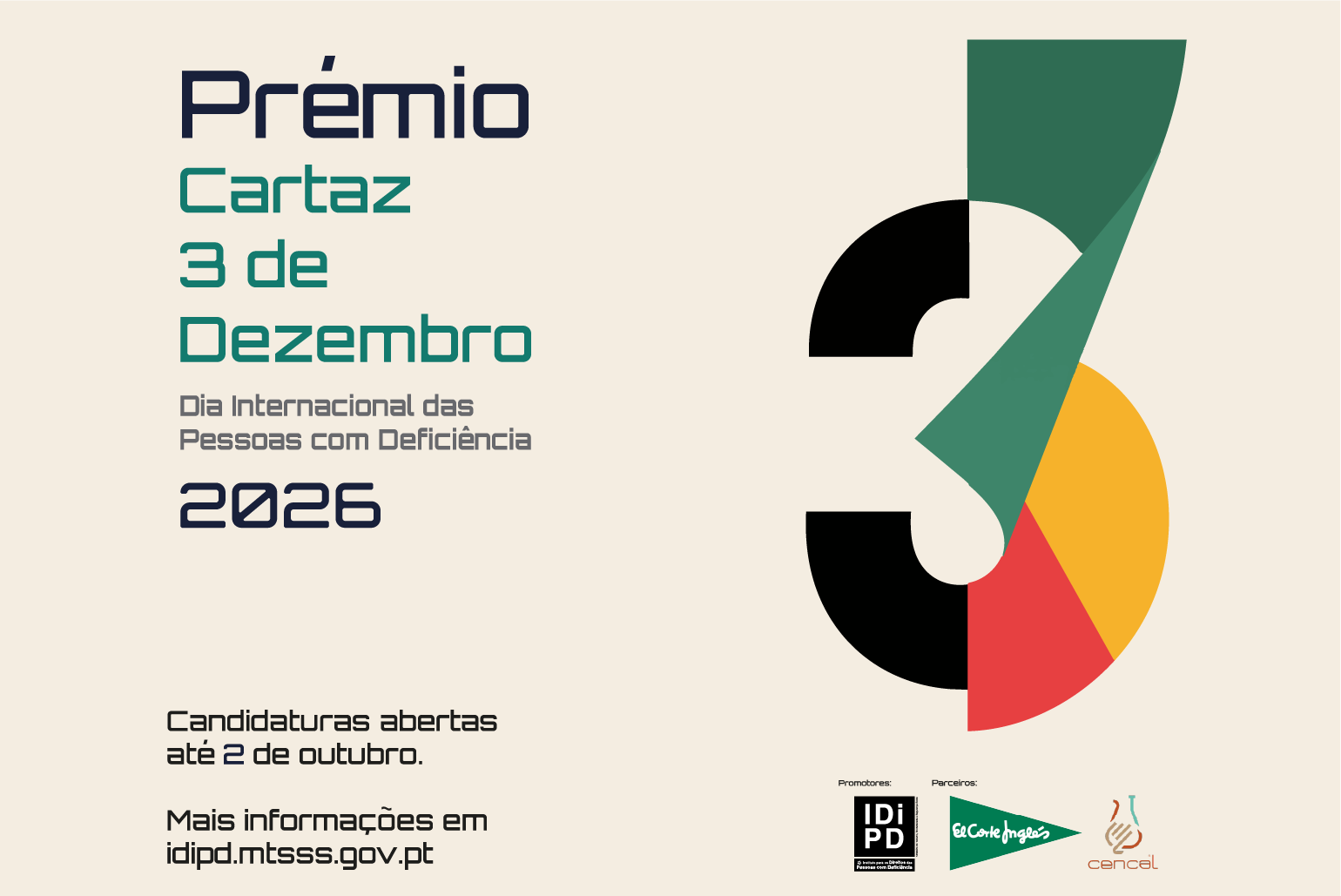
Poster Prize 3 December 2026: Applications open until 2 October
The Institute for the Rights of Persons with Disabilities, I.P. promotes another edition of the 3 December Poster Prize, an initiative that aims to distinguish graphic work that, through a poster, contributes to raise awareness and mobilize public opinion for the recognition of the rights of persons with disabilities. Associated with the International Day of Persons with Disabilities, celebrated annually on 3 December, the Prize aims to value creativity as an awareness-raising tool for the promotion of the rights of persons with disabilities and for equal opportunities and non-discrimination. Applications Applications run until 2 October and are open to: natural persons over 18 years of age; Legal persons, based in Portugal. The works can be submitted in co-authorship, and each person (individual or collective) can submit up to three works. The work submitted should address the theme “3 December – International Day of Persons with Disabilities” and be assessed taking into account criteria such as creativity, artistic merit and suitability for the theme. The other requirements relating to the work and the submission of applications are available in the respective Prize Rules . Awards The winning work will be distinguished with a prize of 1 500 euros, awarded by the Institute for the Rights of Persons with Disabilities, I.P., and with a voucher of 1 500 euros, offered by the El Corte Inglés . The winner, as well as the posters distinguished with Honorable Mention, will also receive a piece of art offered by the CENCAL – Vocational Training Centre for the Ceramic Industry. Jury The evaluation of the work will be carried out by a jury composed of: Pedro Afonso, president of the jury and representative of the Institute for the Rights of Persons with Disabilities, I.P.; Helena Vaz da Silva, representative of the Calouste Gulbenkian Foundation, as an entity for artistic, cultural and educational purposes; Alice Ignacio, designer and representative of the National Confederation of Organisations of Persons with Disabilities; Ricardo Galvão, cartoonist and illustrator, personality linked to design, creativity and image; Joana Raminhos da Silveira, illustrator, author and researcher in the area of Multimedia in Education, personality linked to design, creativity and image; Daniela Gomes, expert invited by the jury linked to design, creativity and image. How can you apply? Applications must be submitted by filling in the Application form Consult the Poster Prize Regulation 3 December for information on the requirements to be met. For further information, please contact idipd@idipd.mtsss.gov.pt The December 3rd Poster Award has the support of the El Corte Inglés and CENCAL – Vocational Training Centre for the Ceramic Industry . Documents: Poster Prize Regulation 3 December Jury Constitution - Poster Prize 3 December 2026 Evaluation Criteria Weightings - Poster Prize 3 December 2026 Fequent Questions - Poster Prize 3 December 2026
View highlight details Beach + Accessible Award 2026 – application period
The application period is open until September 30th. Beach + Accessible Award 2026 . This award distinguishes, in each bathing season, the bathing areas awarded by the Programme. Beach Accessible, Beach for All! whose applications show that they have provided people with restricted mobility with better conditions of accessibility and quality of services provided for a better enjoyment of these leisure spaces. In this context, a prize will be awarded to the best-rated beach in each of the following typologies: coastal or transitional beach Inner beach This bathing season saw a notable take-up of this programme, which distinguished 239 bathing areas. This initiative aims to stimulate the implementation of good practices that constitute clear added value in terms of innovation, coverage and quality of the accessibility conditions and support available, as well as a consistent and effective communication to the public of the offer provided. The award, which annually awards equipment to support the bath, is sponsored by the company IACESS . For more information, and access to the rules and the application form for the Prize, please consult the promoters' websites: IDiPD , APA e TP
View highlight details 
Inclusion Desk Network: Meetings for Implementation with Municipalities of Caminha, Sintra and Cascais
The Institute recently held working meetings with the municipalities of Caminha, Sintra and Cascais, with the aim of promoting the implementation of Inclusion Desks in these territories. These meetings allowed to present the model of operation of this proximity response, reinforcing the importance of access to information, referral and support for persons with disabilities and their families, through structures closer to citizens. In the course of the meetings, the Espaço Família project was also presented, a measure integrated into the Action Plan of the Single Strategy for the Rights of Children and Youth 2025-2030 , conceived as a pilot project that could be developed in the Municipal Inclusion Desks that express interest in its implementation. The initiative was welcomed by the participating municipalities, who expressed interest in deepening knowledge about the project and analysing its implementation at local level, recognising the potential of this response to strengthen support for families and promote a more integrated approach to the needs of children and young people.
View highlight details 49 years promoting the rights of persons with disabilities: Network of Inclusion Desks - information, guidance and proximity to the service of persons with disabilities
As part of its mission to promote and defend the rights of persons with disabilities, the Institute for the Rights of Persons with Disabilities, I.P. (IDiPD) has been strengthening the importance of a community-based, accessible and needs-based public response. It is in this context that the Inclusion Desks Network is inserted, a specialized service for people with disabilities and their families, which ensures information, guidance and referral on rights, support measures, resources, services and available responses. It seeks to provide qualified and close care, helping each person to know their rights, identify existing resources and find the appropriate routes to access the answers they need. The construction of a national reference network in the provision of inclusive public services requires a permanent commitment to improving the quality of care. It also requires inter-entity cooperation, knowledge sharing and the ability to keep up with the evolving needs of persons with disabilities and their families. In marking the 49th º anniversary, the Institute reaffirms its commitment to the development of increasingly accessible, inclusive and person-centred public services. Find out more about the Inclusion Desk, HERE . #49tomake # happenfortherightsofdisabledpeople
View highlight details 
49 years promoting the rights of persons with disabilities: Strategy for the Rights of Persons with Disabilities 2026-2030 (EDPD 2026-2030)
In the year in which it marks 49 years of progress, the Institute for the Rights of Persons with Disabilities, I.P. (IDiPD) takes on a new work cycle with the implementation of the Strategy for the Rights of Persons with Disabilities 2026-2030 (EDPD 2026-2030). Approved by Council of Ministers Resolution No. º 64-A/2026 of 31 March, the Strategy establishes an intervention framework to ensure that persons with disabilities can fully exercise their rights, live autonomously and participate actively in social, economic, political and cultural life, under equal opportunities and with respect for diversity and human dignity. The EDPD 2026-2030 is structured in 5 key areas and a cross-cutting axis – Territories, Citizenship, Education, Employment and Training, Health and the Transversal Axis (Governance, Data and Social Participation) – and is implemented through action plans with measures to be implemented over the next five years (2026-2030). As the coordinating entity of the Strategy, IDiPD assumes the responsibility of promoting the articulation between the different governmental areas, monitoring the implementation of the measures, implementing the monitoring system and coordinating the evaluation processes of the Strategy: Coordinate: articulation between governmental areas Articular: working together with the responsible entities Monitor: monitor the implementation of the measures Evaluate: monitor the evolution of the Strategy Implementation is already underway. In 2026, initiatives are under development that cover, among others, the promotion of the participation of persons with disabilities in civil protection, the creation of training frameworks for a more inclusive Public Administration, the promotion of the Inclusive CATL, the strengthening of employment mechanisms and the development of an information system in partnership with the Institute of Informatics, I.P.. More information at: Council of Ministers Resolution No º 64-A/2026 of 31 March approving the Strategy for the Rights of Persons with Disabilities 2026-2030; Council of Ministers Resolution No º 64-B/2026 of 31 March approving the Action Plans of the Strategy for the Rights of Persons with Disabilities 2026-2030. #49tomake # happenfortherightsofdisabledpeople
View highlight details European Commission assesses implementation of EU rules on equality and non-discrimination
The European Commission published on 13 July 2026 the report on the implementation of the Racial Equality Directive (2000/43/EC) and the Employment Equality Directive (2000/78/EC) establishing a general framework for equal treatment in employment and occupation, including on grounds of disability. The Report acknowledges the progress made in strengthening the European legal framework, but warns of persistent challenges in the effective implementation of the right to equality, including underreporting of discrimination, difficulties in accessing justice and the need to ensure effective protection mechanisms and sanctions. One of the figures highlighted by the Commission shows that only 5-11% of victims of discrimination file a formal complaint, highlighting the importance of enhancing knowledge of rights and access to protection mechanisms. In the area of disability, the Report highlights recent developments in the case-law of the Court of Justice of the European Union, including on discrimination by association and disability-related adaptations. The Commission also pays particular attention to the new challenges associated with artificial intelligence, warning of the risk of algorithmic discrimination in areas such as recruitment, access to employment and service provision. The Report therefore underlines the need to further strengthen equality bodies, data collection and use, access to justice and the capacity to prevent and combat structural and emerging forms of discrimination. The Report can be consulted. HERE .
View highlight details 
49 years promoting the rights of persons with disabilities: inclusiveness, accessibility and participation of all
For almost five decades, the Institute for the Rights of Persons with Disabilities (IDiPD) has contributed to a more inclusive society by promoting equal opportunities, accessibility and full participation of persons with disabilities in all areas of life. Among the most emblematic initiatives, the Competition stands out School Alert! , which is preparing for its 23rd ª edition. Since the 2003/2004 school year, it has mobilised tens of thousands of students and thousands of teachers, challenging reflection, identifying barriers to the participation of persons with disabilities and encouraging the presentation of solutions that promote inclusion and citizenship. The 2024 recast allowed to broaden the participation of children and young people, from early childhood education to upper secondary education, strengthening the educational dimension and the impact on accessibility awareness. Because learning to recognize obstacles and to seek solutions is also learning to participate, to respect difference and to build a more inclusive society. The right to leisure, culture and participation in social life is a right for everyone, and the promotion of accessibility also extends to bathing areas through the programme. Accessible Beach – Beach for All! , developed in partnership with Turismo de Portugal and the Portuguese Environment Agency. This initiative seeks to ensure that all people can enjoy the beaches with autonomy, safety and dignity, from access to the sands to the use of the equipment and services available. The commitment to this area is also recognized through the Beach + Accessible Award , which distinguishes good practices and innovative projects developed by municipalities and accessible beach management bodies. Accessibility is also about participating in culture. The work carried out within the framework of the Accessible Festivals , in partnership with Turismo de Portugal, and the Seal - Accessible and Inclusive Cultural Spaces (SECAI) It has helped to encourage the creation of conditions for everyone to enjoy cultural life to the full, recognising that culture is only truly inclusive when no one is left out. The Institute's commitment is also reflected in the set of prizes promoted, which value education, research, technological innovation, accessibility and social participation. They stand out the Social Sciences and Humanities Award for Inclusion , which aims to recognise and value academic and scientific work that promotes the inclusion of persons with disabilities; o Award for Technological Innovation Engineer Jaime Filipe distinguishing innovative technological inventions, projects or products that contribute to improving the quality of life of persons with disabilities; o Poster Award 3 December - International Day of Persons with Disabilities , which distinguishes graphic work that raises awareness and mobilises public opinion for the recognition of the rights of persons with disabilities; and Sports + Accessible Award , promoted in partnership with the Portuguese Institute of Sport and Youth, which distinguishes projects that promote the development of sport and physical activity for people with disabilities, with a view to their social inclusion. During these 49 years, the Institute's journey continues to demonstrate that building a fairer and more inclusive society implies acting in various areas of life, from school to leisure, from culture to sport, from research to innovation, always with the aim of ensuring that all people can participate fully in equal rights and opportunities. # 49anosamakeoccur # rightspeoplewithdisabilities
View highlight details Over its 49 years, the current Institute for the Rights of Persons with Disabilities, I.P. (IDiPD) has developed its mission in close collaboration with the Non-Governmental Organisations of Persons with Disabilities (NGDOs) They recognise key partners in building a more inclusive and accessible society. NGOPDs play a key role in the participation of persons with disabilities, working with communities on a daily basis, contributing to the identification of needs, by promoting the rights of persons with disabilities and their families. With a national, regional or local scope, NGOPDs ensure a close connection to the concrete realities of the people they represent. The Institute has sought to strengthen cooperation with this associative movement, recognising its essential role in promoting the human rights and citizenship of persons with disabilities. In addition to Operating Support of national organizations, we have developed the Project Finance Programme laying down the conditions for accessing, allocating and implementing the financial support provided by the Institute to the NGOPDs. Projects promoting the rights of persons with disabilities and contributing to their participation in society are supported, in line with the principles of the Convention on the Rights of Persons with Disabilities. More than a financial instrument, this support is a concrete expression of a public policy built in partnership. Supporting the intervention capacity of NGOsPD enables the development of initiatives close to people, and their life contexts, giving space to innovation, participation and the search for answers to the challenges that persist. Each supported project represents an opportunity to turn ideas into responses, identify new solutions and create the conditions for more people to exercise their rights and participate fully in society. On this 49th º anniversary, IDiPD reinforces the importance of these strategic partnerships that have been essential to promote best practices, share knowledge, develop projects and raise society's awareness of a culture of rights and full participation of all people. The present also develops in partnership! # 49tomake # happenrightsofpeoplewithdisabilities
View highlight details 

The National Secretariat for Rehabilitation (SNR) , provided for in paragraph 2 of Base VI of Law No º 6/71 of 28 February 1971, which laid the foundations for the rehabilitation and social integration of persons with disabilities, was established, under the Presidency of the Council of Ministers, on 20 August 1977 by the Decree-Law No º 346/77 . Since its inception, its mission has been to -if as instrument of the state for the implementation of a national policy for the empowerment, rehabilitation and social integration of persons with disabilities, promoting and coordinating interventions in the fields of health, education, vocational training, employment and social inclusion , aligned co the Constitution of the Portuguese Republic . Forty-nine years later, the reality of people with disabilities, their families, representative organisations and Portuguese society itself is profoundly different from what existed in 1977. The progress achieved has been significant and is the result of collective engagement. who contributed for the construction of a more equitable e next . In this process, it is important to recognize and thank the role played by workers and leaders who have passed for this public service, in its different organic structures , since the SNR , from the National Secretariat for the Rehabilitation and Integration of Persons with Disabilities and the National Institute for Rehabilitation, I.P., to the current Institute for the Rights of Persons with Disabilities, I.P. ( IDiPD ) . They are also worth highlighting. a persons with disabilities themselves, as their families and the Representative Organisations of Persons with Disabilities (ONGPD) , real protagonists of the transformations achieved. Developments in rights, public policies and support measures allowed consolidate important achievements and create conditions for the affirmation of key instruments at national and international level, highlighting -se Strategies (programmatic instruments of public policy) and Convention on the Rights of Persons with Disabilities , of the United Nations (UN). Today, on the day we celebrate the birthday from IDiPD Let's look at our history, with the meaning placed in cooperation and No commitment that every day make us give the best to comply with mission. The current mission of the Institute , to promote and implement national and international public policies aimed at realising the rights of persons with disabilities, their families and representative organisations; , This is a guarantee of continuity of this commitment. In the present and in the future, with engagement, participation and responsibility, the IDiPD continues on the path of promoting the rights, inclusion and full citizenship of persons with disabilities. Thank you very much for your contribution! # 49tomake # happenrightsofpeoplewithdisabilities
View highlight details IDiPD, I.P. promotes awareness-raising action “Author Representation and Self Advocacy in Promoting the Rights of Persons with Disabilities”
The Institute for the Rights of Persons with Disabilities, I.P. (IDiPD, I.P.) promotes the awareness-raising action “ Self-representation and Self Advocacy the Promotion of the Rights of Persons with Disabilities », which will take place on September 15th and 17th. Integrated in the thematic area Promotion of Rights, the action has a total duration of 4 hours and will take place online , through the platform Teams between 2.30 p.m. and 4.30 p.m. on the two days of training. The initiative aims to promote reflection around the concepts of self-representation and self advocacy Recognising the importance of the participation of persons with disabilities in the promotion of their rights and knowledge of instruments of national and international law relevant to the regulation of these rights. Among the contents to be addressed are the historical framework of national and international self-representation movements and their implications in the current conjuncture, as well as the Convention on the Rights of Persons with Disabilities, including the rights and duties enshrined therein. The action targets persons with disabilities and their families, as well as leaders and practitioners of Non-Governmental Organisations of Persons with Disabilities (NGDOs). The training will be promoted by Rodrigo Santos, jurist , Head of Public Administration and President of the National Directorate of ACAPO - Associação dos Blind and Amblíopes de Portugal. Participation is free of charge and limited to a maximum of 20 participants. Registrations are now open and can be made through the registration form , no website of IDiPD, I.P . For more information about this or other training activities, please contact us: idipd@idipd.mtsss.gov.pt
View highlight details 
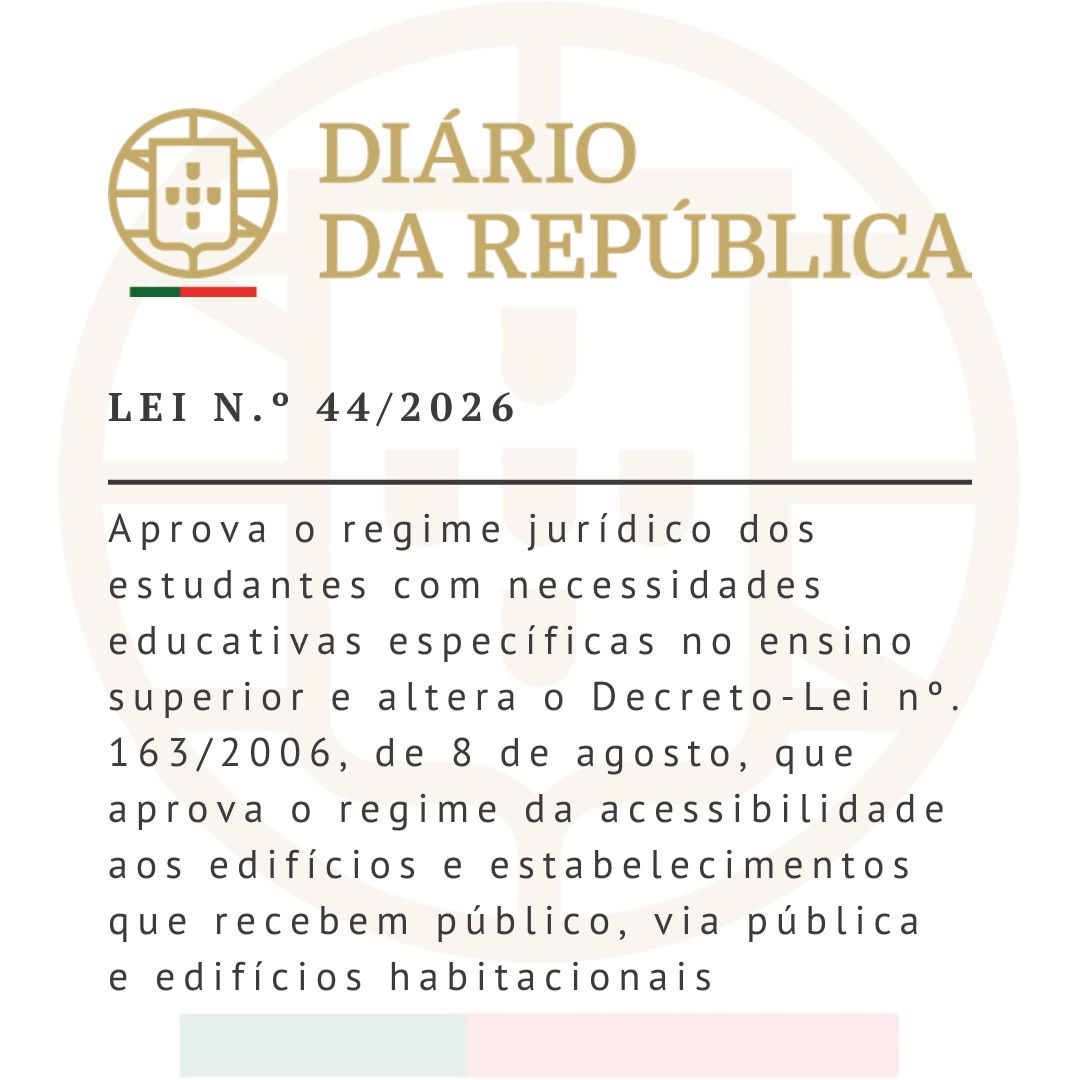
Legal regime strengthens rights in higher education and amends Decree-Law No. º 163/2006 on accessibility in buildings
Law No. º 44/2026 of 10 August was published, approving the new legal regime for students with specific educational needs in higher education, contributing to the promotion of their rights, equity, accessibility and academic inclusion. The Law also amends Decree-Law No º 163/2006 of 8 August 2006, which approves the rules on accessibility to buildings and establishments receiving public, public and residential buildings, as amended by Decree-Laws No º 136/2014 of 9 September 2014, No º 125/2017 of 4 October 2017, No º 95/2019 of 18 July 2019 and No º 10/2024 of 8 January 2024. Among the main measures of Law No. º 44/2026 of 10 August, the following stand out: Student status with specific educational needs; Strengthening the conditions for mobility, physical, digital and communication accessibility in higher education institutions; Appropriateness of entry conditions, assessment methods and frequency schemes; Priority in access to higher education; Priority in access to student accommodation; Financial mechanism to support inclusion; Special status in the award of scholarships; Reinforcement of scholarships and research grants for students with disabilities; Specialized support for students with specific educational needs. The Act is an important contribution to more equitable, accessible and inclusive higher education, strengthening the rights of pupils with disabilities and students in need of specific measures to support their academic path. Access in full to Law No. º 44/2026, of 10 August, HERE .
View highlight details MONTHLY REPORT MAVI – JUNE 2026
The monthly activity of the Independent Living Support Centres (CAVI), which are part of the Independent Living Support Model (MAVI), is reported to the Institute for the Rights of Persons with Disabilities, I.P., based on the completion of the monitoring grids by each of the institutions. According to these monitorings, in June 2026, in the 35 CAVI in operation, 1186 people financed by the ISS, I.P. were supported. From the start of the project until 30 June 2026, a total of 7,088,890 (seven million, eighty-eight thousand, eight hundred and ninety) hours were provided, of which 3,648,286 (three million, six hundred and forty-eight thousand, two hundred and eighty-six) hours under the ISS accumulated to 3,440,604 (three million, four hundred and forty thousand, six hundred and four) hours of personal assistance provided under the ESF until 30 September 2023. All in all, June 2026 saw a decrease in the number of people supported in personal assistance compared to the previous month. There has been a decrease in the number of hours of support provided, although the number of serving personal assistants has increased. An increase in the number of PIAPs suspended, PIAPs terminated and new PIAPs concluded was observed. As of 1 March 2024, the Cooperation Agreements between CAVI and ISS, I.P. began to be concluded, which allowed personal assistance to begin to be provided in accordance with the provisions of Ministerial Implementing Order No º 415/2023 of 7 December 2023. By 1 January 2025, all 35 CAVI had signed the Cooperation Agreement with the ISS, I.P..
View highlight details 
Ibero-American Program for Disability promotes new edition of training on access to justice
As part of Portugal's participation in the Ibero-American Program for Disability (PID), represented by the Institute for the Rights of Persons with Disabilities, I.P. (IDIPD), the new edition of the training action 'Access to Justice for Persons with Disabilities', promoted by the PID with the aim of strengthening the skills of justice professionals in the promotion and guarantee of the rights of persons with disabilities, is disseminated. This initiative aims to strengthen the skills of justice professionals in promoting access to justice for persons with disabilities by deepening knowledge of international human rights instruments and disseminating standards and best practices that contribute to more accessible, inclusive and human rights-based justice. The training is aimed at magistrates, bailiffs, lawyers, solicitors, bailiffs, conservators, notaries, senior public administration technicians and other professionals working in the legal areas of the countries participating in the Programme, including Portugal. The action will take place in asynchronous virtual mode, between September 15 and November 30, 2026, will have a total duration of 40 hours, will be taught in Spanish and in Gesto Internacional, through the educational platform of the legal publisher Tirant Lo Blanch. Registration is open until 31 August 2026. The IDiPD encourages the participation of its lawyers and other senior technicians, as well as professionals from the Ministry of Labour, Solidarity and Social Security and the Ministry of Justice, considering that this action provides an opportunity to strengthen competences on the rights of persons with disabilities and to promote more accessible and inclusive justice. The full programme of the course can be consulted HERE Entries must be made through this form . For more information, interested persons can contact the organization of the course by e-mail unidad.técnica@programaiberoamericanodediscapacidad.org or through IDP website .
View highlight details 10.ª edition of the Human Rights Training Program for Public Administration
The National Institute of Administration (INA) promotes, between September 22 and November 19, the 10ª edition of the Human Rights Training Program for Public Administration. With the aim of promoting human rights and fundamental rights in Portuguese public services, the programme is aimed at workers and managers of the Public Administration and includes: ✔ក E-learning course, free of charge ✔ក Organised in 4 modules and 2 webinars ✔ក Total 30 hours of synchronous training ✔ក Limit of 60 participants per edition The IDiPD, I.P. will also be represented in this edition, ensuring the dynamization of a training component. Registrations and all information about the program, including the schedule, can be consulted Here .
View highlight details 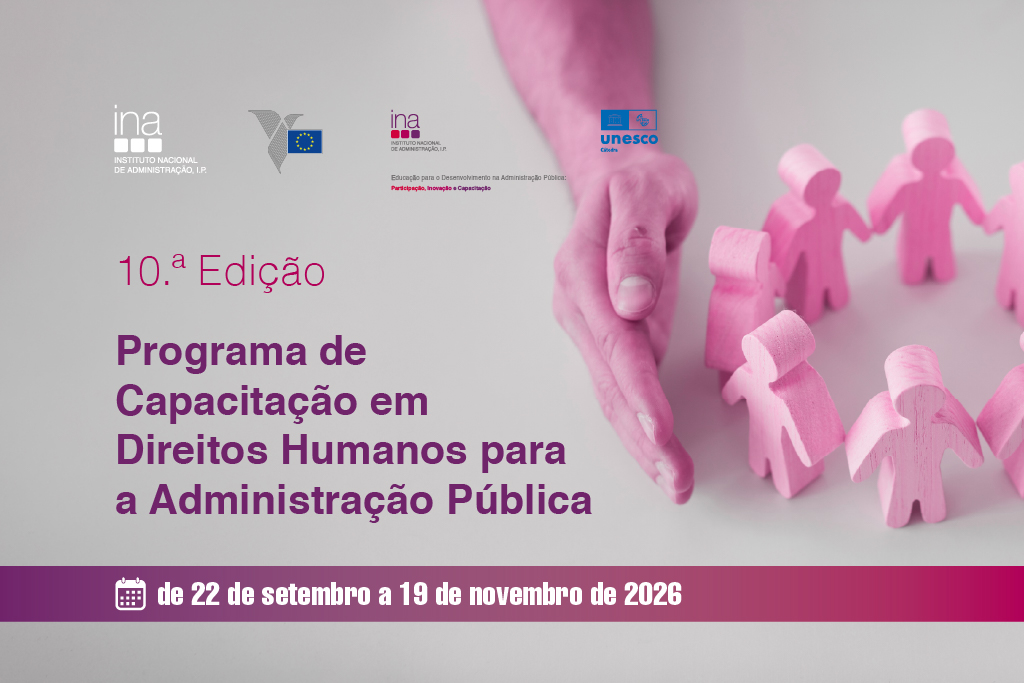
Quick access to: